 edifyingworld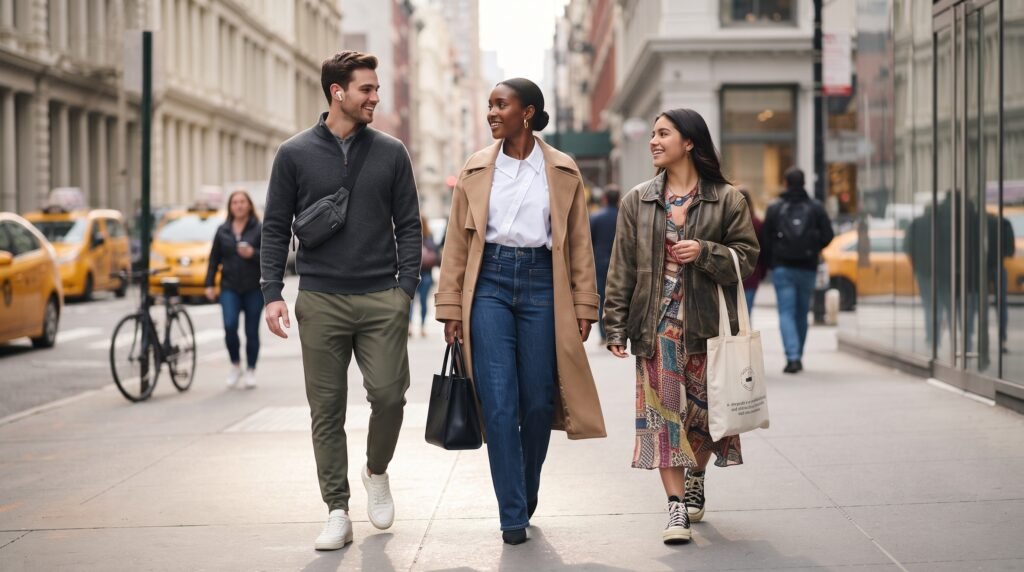
The American fashion landscape is a dynamic, fast-paced ecosystem shaped by a unique blend of cultural heritage, digital influence, and shifting consumer values. Valued at hundreds of billions of dollars, the U.S. fashion market is neither monolithic nor predictable. Instead, it is driven by distinct consumer segments, cultural movements, and an increasing demand for a balance between personal expression, comfort, and practical luxury.
Understanding what captures the attention of the U.S. audience requires looking beyond the runways of New York Fashion Week and examining the everyday trends, shopping habits, and economic mindsets defining modern American style.
1. Defining Trends in the U.S. Market
The Resurgence of “Americana” and Minimalist Elegance
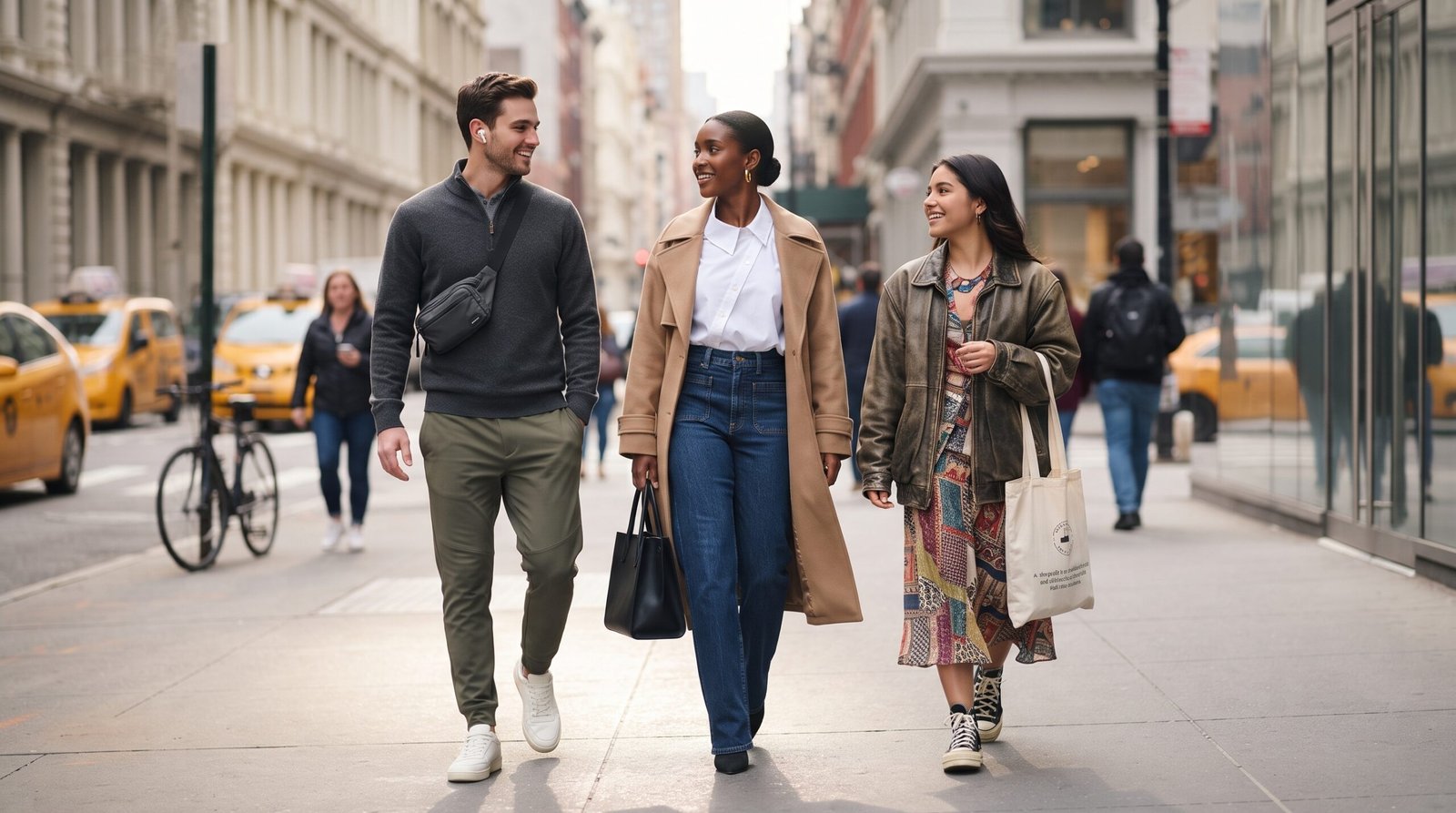
There is a noticeable pivot toward conservative aesthetics, neutral palettes, and classic silhouettes across the United States. Often described as a return to “Americana,” this trend emphasizes timeless wardrobe staples—tailored trench coats, structured denim, crisp white tees, and minimalist accessories. Consumers are leaning into understated elegance, reflecting a cultural desire for stability, sophistication, and a connection to heritage.
The Reign of Athleisure and Hybrid Dressing
Athleisure remains a powerhouse in American closets. The blurring lines between activewear and everyday casual clothing are here to stay, largely driven by hybrid work models and a lifestyle that prioritizes flexibility. Premium leggings, sleek track jackets, and elevated sneakers are standard daily wear, transitioning seamlessly from a morning workout to running errands or working remotely from a coffee shop.
Sustainability and Conscious Consumption
American shoppers—particularly Gen Z and Millennials—are increasingly scrutinizing the lifecycle of their clothes. Transparency in supply chains, ethical manufacturing, and eco-friendly materials have transitioned from niche selling points to baseline expectations. The booming popularity of second-hand platforms and vintage shopping further underscores a cultural shift away from pure fast-fashion consumption toward more circular, individualized wardrobes.
2. Who is the American Fashion Consumer?
Market research into U.S. retail segmentation highlights distinct behaviors that dictate how brands market their products:
- The Fashion Pioneers: Making up a significant portion of younger demographics (predominantly ages 18 to 29), this group views fashion as a statement of individuality. They are heavy spenders who shop to stand out, heavily influenced by digital trends and social media networks like TikTok and Instagram.
- The Fashion Conscious: Heavily skewed toward female shoppers, this segment closely follows modern trends but prioritizes value. They are frequent coupon users, thrifty deal-seekers, and early adopters of emerging, non-luxury brands discovered online.
- The Value-Driven Pragmatists: With non-luxury and accessible segments driving a major share of market profits, the average American consumer expects high versatility and durability for their dollar. Price-to-wear ratio is a critical deciding factor.
3. The Forces Driving U.S. Style Choices
Celebrity and Creator Culture
The traditional gatekeepers of fashion have largely given way to digital creators, TikTok influencers, and multi-hyphenate celebrities. When a public figure styles a look on social media or steps out in casual streetwear, the ripple effect is instantaneous, often translating to sell-out items within hours. U.S. audiences look for authenticity; they connect deeply with creators who style high-low mixes—pairing designer accessories with thrifted or accessible everyday basics.
E-Commerce and Digital-First Shopping
The United States remains a dominant digital marketplace, with e-commerce accounting for a massive share of total fashion revenue. Fast shipping, frictionless checkout experiences, and augmented reality (AR) sizing tools heavily influence where Americans choose to spend. Furthermore, the integration of entertainment and commerce—such as streaming platforms linking directly with second-hand fashion markets—is changing how audiences discover and buy styles.
Outlook
For brands and style enthusiasts alike, succeeding with a U.S. audience requires agility. Today’s American consumer values adaptability above all: a wardrobe must look effortless, feel comfortable, align with personal values, and transition seamlessly across a busy lifestyle. As the industry continues to balance digital innovation with a respect for timeless quality, the American style narrative remains one of constant, creative reinvention.
 edifyingworld